

Photonweld laser welding quality inspection tools
Photonweld quality inspection tools
Photonweld laser welding inspection microscope
Digital Microscope for use with Laser Welders
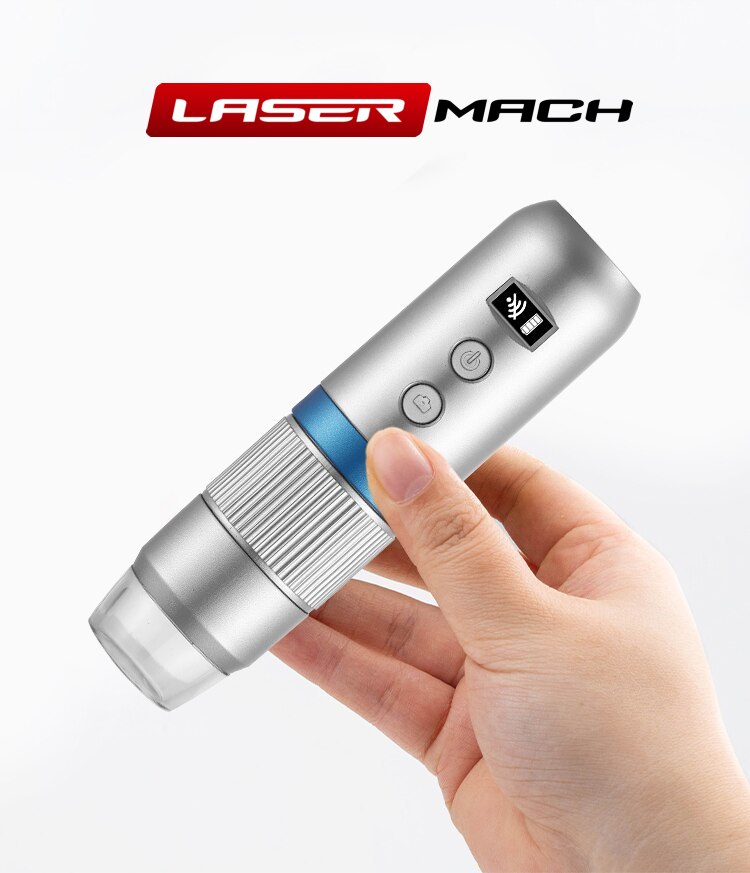
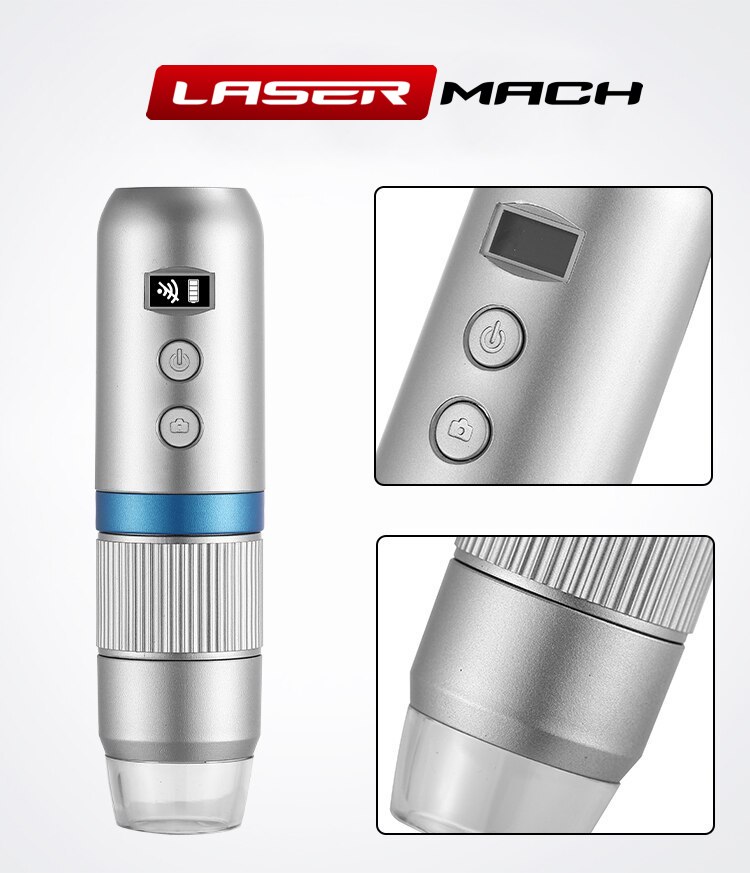
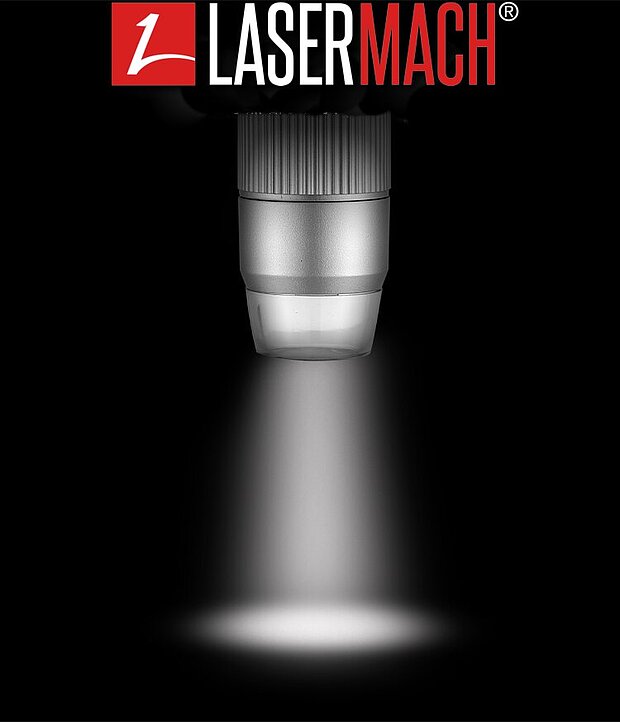
Portable Digital Laser Welding Microscope
Optical Size: 1/4″
Magnification: 50X-1000X
Focus Range: 10~40mm
Sensitivity: 4300mV/lux-sec
Resolution: 640*480, 1280*720, 1920*1080
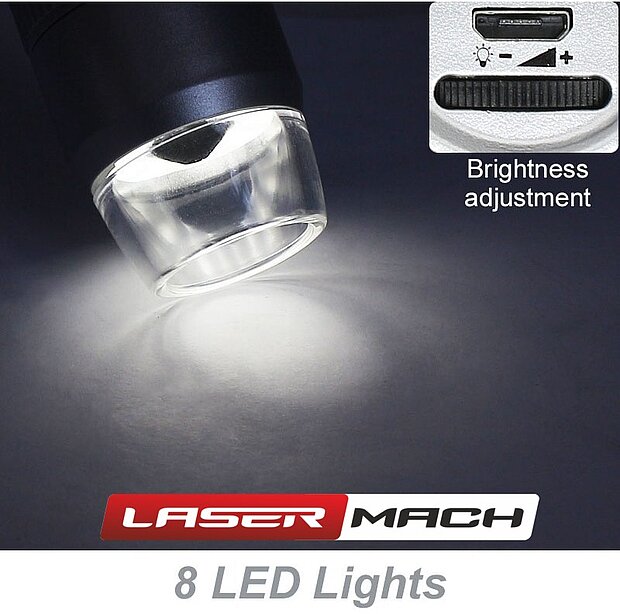
Portable Digital laser Welding Microscope
A compact digital microscope for quality control of laser welded parts with versatile connectivity options such as WIFI and USB is available. This device can seamlessly link to phones, tablets, laptops, and PCs, displaying images directly without the need for direct observation. Using the accompanying app, capturing photos and videos is straightforward, and the images can be easily saved.
The Portable Digital Microscope boasts comprehensive functionality, delivering clear imaging with meticulous craftsmanship. It features a built-in battery, facilitates computer connections and is compact and portable.
This portable digital microscope finds besides laser welding quality inspection, extensive applications across various fields, including electronic circuit board testing, industrial assessments, textile examinations, clock and mobile phone maintenance, skin and scalp inspections, printing assessments, educational and research purposes, precision object amplification measurement, aiding in reading and serving as a valuable tool for hobbyist research.
The welding procedure and its quality is dependent on ensuring that every step is done correctly. It is a technical task that requires proper certification, safety regulations, and training. Any damage to the welding part can be costly and might cause permanent structural damages to the final product.
Welding is a part of many industries such as construction, aviation, automotive, and more, and each of them demands quality assurance. Ensuring everything is welded perfectly together beforehand will protect you from hazardous incidents that can often take lives. Therefore, if you are thinking about hiring a welding service, make sure to receive the service from a reliable welding specialist who knows how to do this job.
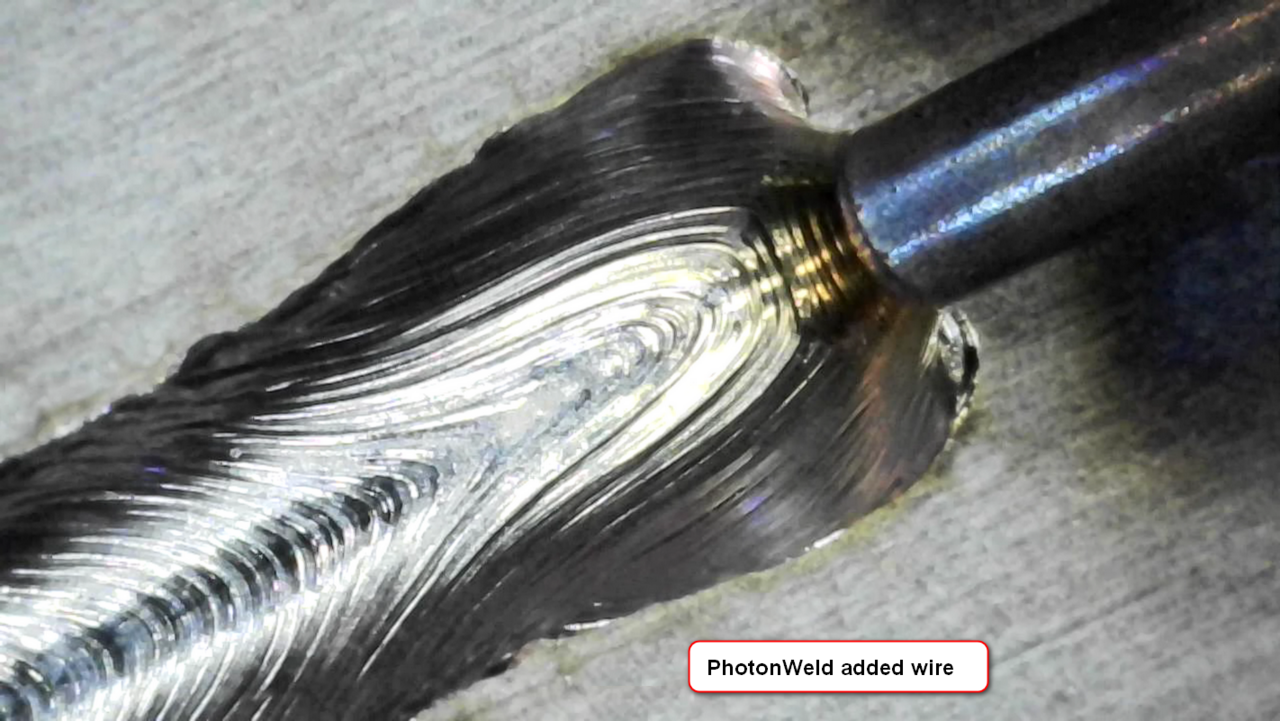
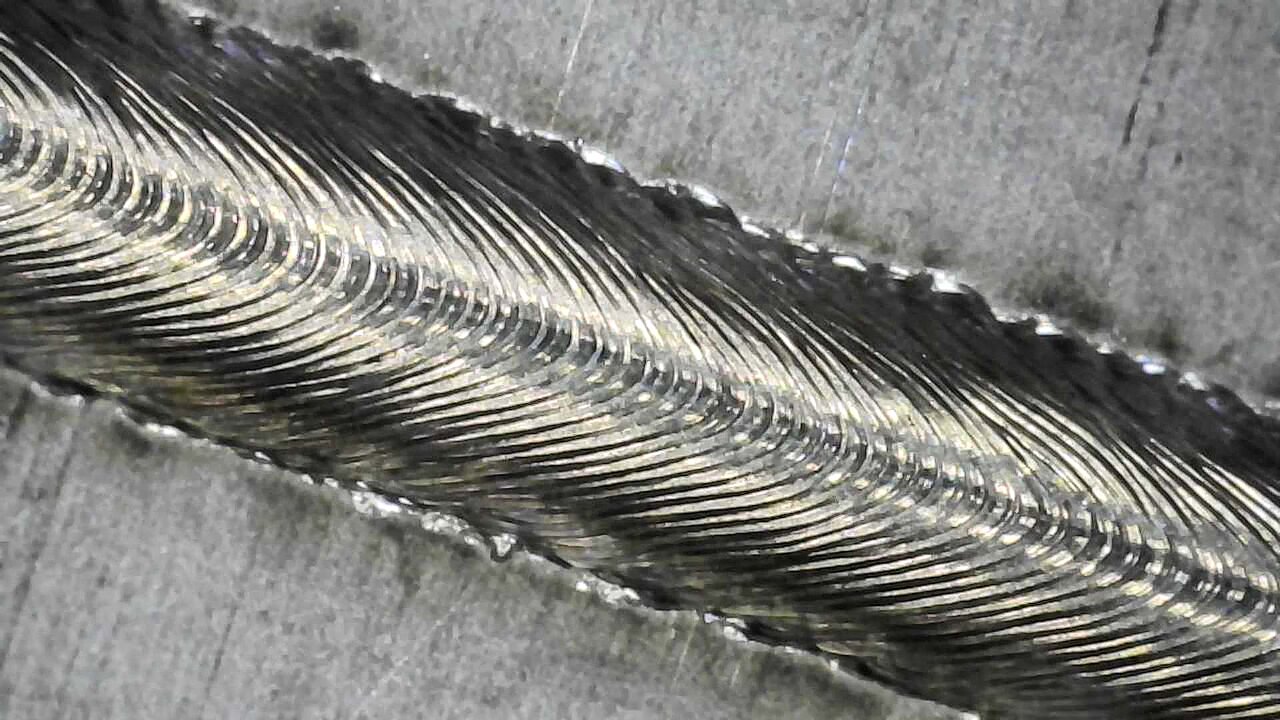

Full penetration laser welding, partial penetration laser welding, and their strength
Different grooves also cause different patterns of penetration, leading to differences in the strength of welds.
Full penetration laser welding
Full penetration welding is a welding method in which the groove of the base material to be joined is united and embedded with molten joining materials (filler rod and welding wire), as with butt welding.
It can be said that full penetration welds are highly reliable in strength design as they have the same proof stress as the base material. On the other hand, they require high welding quality. Particular attention is required at the ends of welds to prevent defects such as undercut welds. It is also important to control and adjust reinforcement because stress concentrates on excessive reinforcement, causing cracking or other such problems.
Partial penetration laser welding
Partial penetration welding is a method in which a partial groove is created on the base material. In this method, the base material is only welded partially, while full penetration welding welds the entire plate thickness of the base material. Although full penetration welding is used in general, partial penetration welding is required in some cases, such as where joined sections are intertwined due to the design and manufacturing of materials.
However, caution is required during partial penetration welding on locations to which bending moment or tensile force is applied because the welding strength of partial penetration welding is often not sufficient. Thus, the strength design of welds, as well as the measurement and inspection of whether dimensions of actual weld penetration such as throat thickness satisfy the design conditions, are all particularly important.