


Noise is a disturbance to the human environment that is escalating at such a high rate that it will very soon become a major threat to the quality of human lives.
Reducing noise emission of machine tools considerably alleviates the problem.
No one on earth can escape the sounds of noise- an unwanted, disturbing sound that causes annoyance, sleeplessness, fright, or any other stress reaction.
In the past 30 years, noise in all areas, especially in urban areas, has been increasing rapidly.
The acknowledgement that noise pollution has already become an environmental problem has resulted in a number of European directives aiming to regulate noise levels.
The World Health Organization has called environmental noise an “underestimated threat.”
In the US and Europe, one in four adults show signs of noise-induced hearing loss!
Hearing loss (from all causes) is now the third most common chronic health condition in the US and the fourth in Europe, just after diabetes and cancer.
This is frustrating because hearing loss is both irreparable and preventable.
If we were more aware of the harms of blasting loud music, machines or vehicles, we would reduce noise pollution from the source.
And if we knew to protect our ears from noise, we would reduce our risk of losing our hearing — the same way we know sunscreen protects us against skin cancer and condoms reduce our risk of STDs.

Setting the Bar: What is Acceptable Noise?
According to some perspectives, any amount of noise can be too much. This largely depends on frequency, proximity, and other factors and can even come down to personal sensitivity. However, personal and variable limits aren’t helpful.
Things like welding and plasma cutting are powerful processes using an electric arc to melt through metal quickly and precisely. This process is, naturally, noisy. Electric arcs create noise, a compressor makes noise, and the environments where cutting is often done can exacerbate that noise.
It doesn’t take much exposure to high noise levels to damage hearing, both temporarily and permanently.
So, how loud are welding and plasma cutting machines, and what can you do to minimize the noise they produce and protect yourself from what remains?
According to some perspectives, any amount of noise can be too much. This largely depends on frequency, proximity, and other factors and can even come down to personal sensitivity. However, personal and variable limits aren’t helpful.
From a purely physical standpoint, loud noises and longer, sustained noises can cause damage to hearing.
Some hearing loss is temporary and has more to do with your physical and mental adjustments to account for existing in a loud environment. Other times, hearing loss is permanent.

How much noise is necessary to damage hearing?
First, it’s important to understand how noise is measured.
Sound is measured in decibels. Decibels is a logarithmic scale, meaning that the jump from 20 to 30 decibels is a fraction of the jump from 50 to 60 decibels.
Understanding Decibels:
- 0 dB is the softest sound that can be detected by ear by someone with perfect hearing.
- 20 dB is roughly the sound of a watch ticking away; very soft but audible if you listen close in a quiet room.
- 30~40 dB is the sound of an appliance like a refrigerator running in normal operation.
- 50~60 dB is the sound of normal conversation without raised voices.
- 70~80 dB is around the level of sound you get dealing with city traffic while in a car of your own.
- 85 dB is the sound of a leaf blower; annoying and potentially damaging.
- 95~100 dB is the average noise level of a popular sporting event crowd while you’re in it.
- 110~120 dB is what you would get standing next to a fire truck or police vehicle with the sirens on.
- 140~150 dB is the sharp report of a firecracker exploding at less than 1 m
Noise safety is a matter of several factors; the level of noise, the duration of the exposure, and even the nature of the noise.
'EU-OSHA's permissible exposure limit (PEL) is 90 dBA for all workers for an 8-hour day. The EU-OSHA standard uses a five dBA exchange rate. … the National Institute for Occupational Safety and Health, would recommend limiting the 8-hour exposure to less than 85 dBA. At 100 dBA, NIOSH recommends less than 15 minutes of exposure per day.”
Hearing protection is important for a reason, after all, and there are even regulations in place to enforce decibel limits.

Arc-Welding and plasma-cutting procedures generate significant noise levels, typically between 85 to 110 decibels (dBA) and 90 to 120 dBA, respectively.
How to Reduce the Noise of Welding and Cutting?
These levels of welding and cutting may fluctuate based on factors like the technique, materials, and equipment quality.
Air compressors, often used in these operations, operate between 40 and 90 dBA, while angle grinding hard metal produces sounds up to 105 dBA. These figures highlight the noisy nature of metal fabrication tasks.
Despite the variability, it’s crucial to understand that even quieter operations can be harmful to hearing over time. Wearing appropriate protection, such as earmuffs or earplugs, is essential when conducting or being around these activities to ensure safety and effectiveness in these loud work environments.
How to Reduce the Noise of Welding and Cutting?
Reducing noise and potential hearing damage is a matter of two aspects: reduction of the noise generated by the process and protecting the operator from the noise generated by the process.
The first and often best method of reducing the noise generated by your machine is to attack the problem at its source. The cheaper (even new) and older the machine, the more likely it is to be extremely loud. There are a lot of ways you can change the way your machine operates to reduce noise, or reduce noise exposure, both of which can be important. Unfortunately, the drawback to all of these methods is the expense. It’s rarely as simple as adjusting a setting on the machine you’re using; instead, it requires investment in newer machines, newer technology, additional tools, or entire new fabrication systems, if possible. This can be quite costly.
Get more modern equipment.
With PhotonWeld-Pro Series: Drastic reduction of noise emission
PhotonWeld-Pro Series: The silent machines that tell the loudest stories.
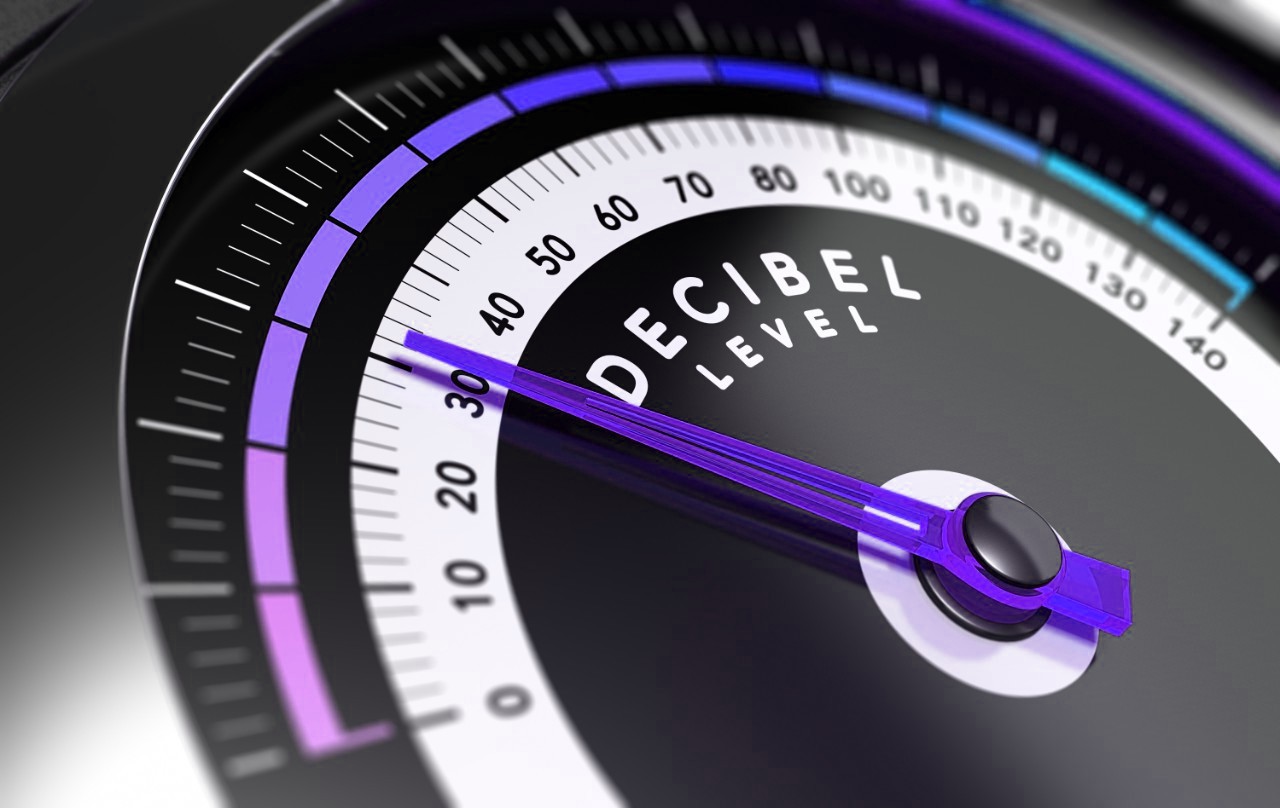
The PhotonWeld-Pro Series operate at noise levels below 50dB!

PhotonWeld Pro Series: Whisper-Quiet, Powerfully Precise!
Say goodbye to noisy workspaces!
The PhotonWeld-Pro Series handheld laser welding machines operate at noise levels below 50dB, delivering high-performance welding in a quiet, comfortable environment.
Perfect for workshops where silence matters.
✅ Ultra-low noise
✅ High precision
✅ Easy to operate
How Loud is 30 Decibels? ==> Thirty dB includes sounds such as whispering or the soft rustling of leaves.
How Loud is 50 Decibels? ==> Fifty decibels is a relatively quiet and comfortable sound level, often associated with background or ambient noise, including moderate rainfall or rustling leaves.
